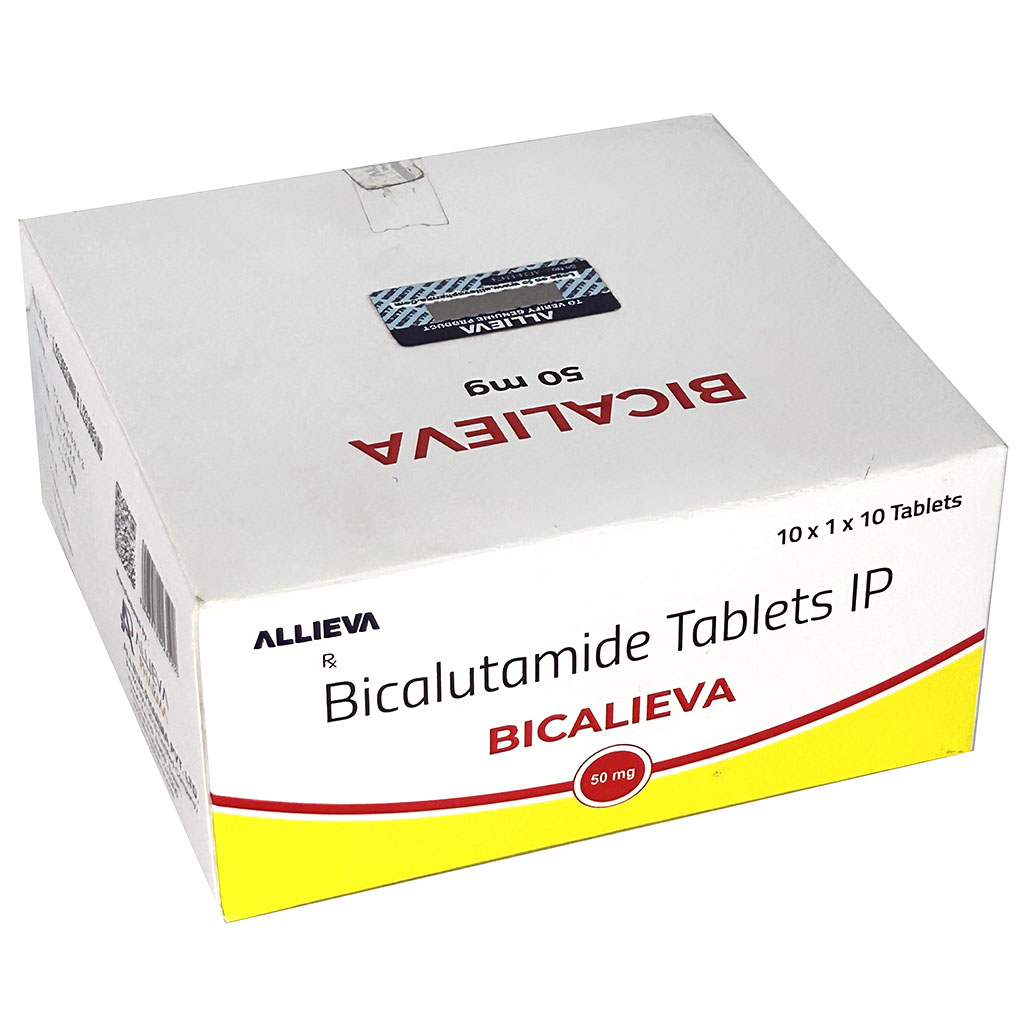
Bicalutamide Tablet IP 50mg
BICALIEVA 50MG (Bicalutamide Tablet IP 50mg) is a prescription anti-cancer medicine used in the treatment and management of prostate cancer. It contains Bicalutamide 50mg, a non-steroidal antiandrogen that works by blocking the effects of male hormones (androgens), particularly testosterone, which can stimulate the growth of prostate cancer cells.
Prostate cancer is one of the most commonly diagnosed cancers in men worldwide. Many prostate cancer cells rely on testosterone and other androgens to grow and multiply. BICALIEVA 50MG helps control the disease by preventing these hormones from attaching to cancer cells, thereby slowing cancer growth and reducing tumor progression.
Bicalutamide is widely used as part of hormone therapy for prostate cancer and is often prescribed in combination with other treatments such as luteinizing hormone-releasing hormone (LHRH) agonists or surgical castration. This combined approach helps achieve more effective androgen deprivation, which is an important strategy in prostate cancer management.
BICALIEVA 50MG is commonly prescribed for:
• Advanced Prostate Cancer
• Metastatic Prostate Cancer
• Hormone-Sensitive Prostate Cancer
• Androgen Deprivation Therapy (ADT)
• Combination Prostate Cancer Treatment
• Long-Term Oncology and Urology Care
The medicine is manufactured under strict pharmaceutical quality standards to ensure safety, effectiveness, and consistent therapeutic performance. It should only be used under the supervision of qualified healthcare professionals experienced in oncology and urology treatment.
Patients receiving BICALIEVA 50MG may require regular monitoring of prostate-specific antigen (PSA) levels, liver function, overall treatment response, and routine medical evaluations. These assessments help healthcare providers optimize treatment outcomes and manage potential side effects effectively.
Due to its proven role in hormone-based prostate cancer treatment, BICALIEVA 50MG remains an important medicine in modern oncology and urology care programs.
View Details
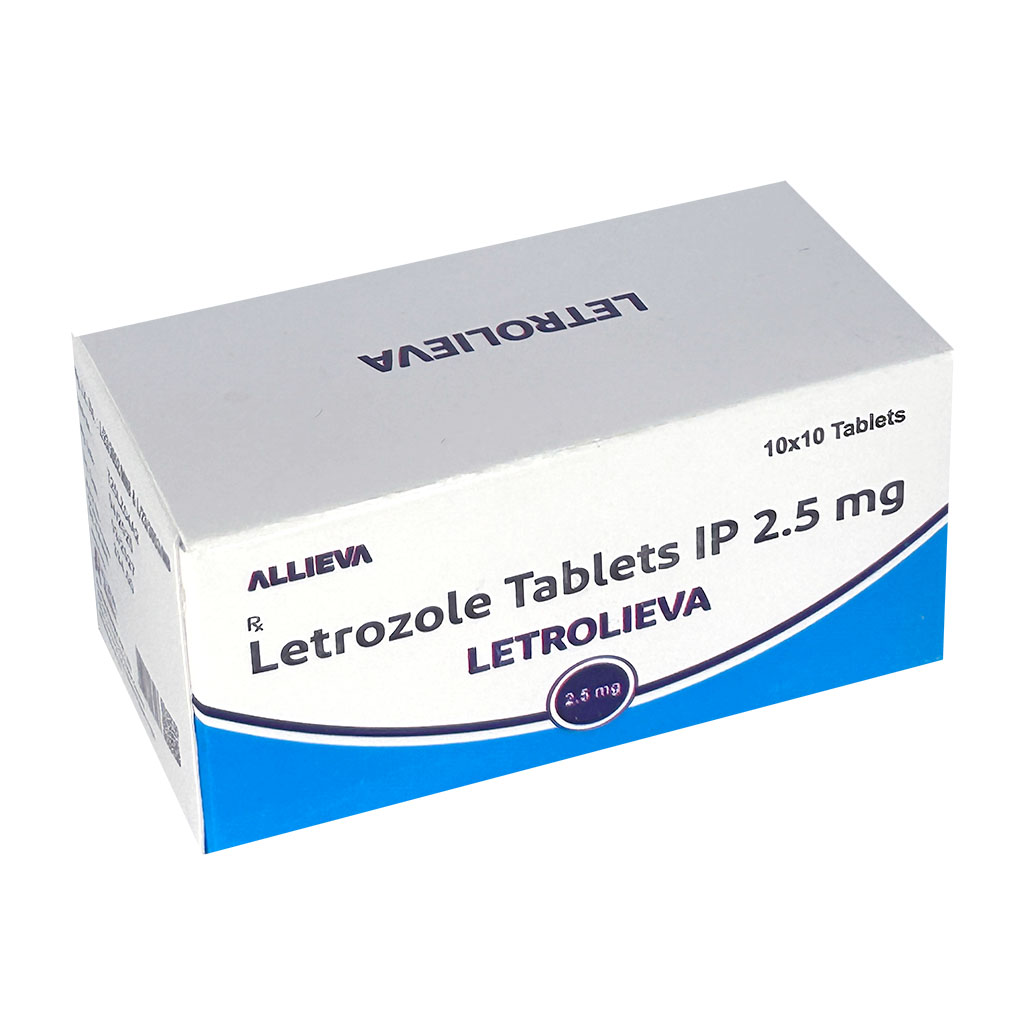
Letrozole Tablets IP 2.5 mg
LETROLIEVA 2.5 MG (Letrozole Tablets IP 2.5 mg) is a prescription medicine used primarily in the treatment of hormone receptor-positive breast cancer in postmenopausal women. It contains Letrozole 2.5 mg, a highly effective aromatase inhibitor that helps reduce estrogen levels in the body. Since certain breast cancers depend on estrogen for growth and survival, lowering estrogen levels can help slow or stop the growth of cancer cells.
Breast cancer is one of the most common cancers affecting women worldwide. In many cases, cancer cells possess hormone receptors that respond to estrogen. LETROLIEVA 2.5 MG works by blocking the aromatase enzyme, which is responsible for producing estrogen in postmenopausal women. By reducing estrogen production, the medicine helps prevent cancer cells from receiving the hormonal stimulation they need to grow.
Letrozole is widely used as part of modern hormone therapy and targeted breast cancer treatment programs. It may be prescribed after surgery, radiation therapy, chemotherapy, or as a long-term maintenance treatment to reduce the risk of cancer recurrence.
LETROLIEVA 2.5 MG is commonly prescribed for:
• Hormone Receptor-Positive Breast Cancer
• Early-Stage Breast Cancer
• Advanced Breast Cancer
• Metastatic Breast Cancer
• Adjuvant Hormonal Therapy
• Long-Term Breast Cancer Management
• Postmenopausal Breast Cancer Treatment
In addition to its role in oncology, Letrozole may sometimes be prescribed for fertility-related conditions under specialist supervision. However, its primary use remains breast cancer treatment and management.
Manufactured under stringent pharmaceutical quality standards, LETROLIEVA 2.5 MG is designed to provide consistent therapeutic performance and reliable treatment outcomes. The medicine should only be used under the supervision of qualified healthcare professionals experienced in oncology and hormone therapy.
Patients receiving Letrozole therapy may require regular medical monitoring, bone density assessments, cholesterol evaluations, and routine follow-up visits to ensure safe and effective treatment.
Due to its proven effectiveness in reducing breast cancer recurrence and supporting long-term disease control, LETROLIEVA 2.5 MG has become an essential medicine in modern breast cancer care.
View Details
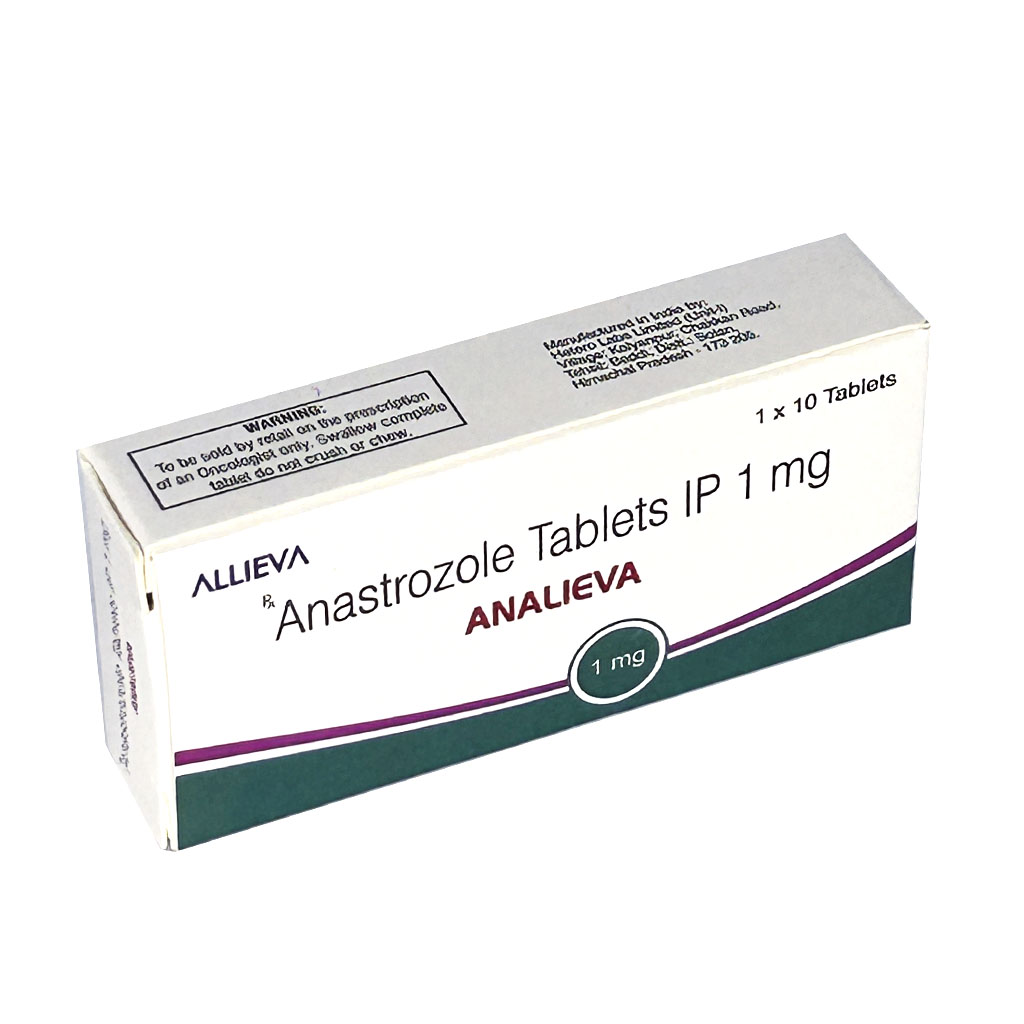
Anastrozole Tablets 1 mg
ANALIEVA 1 MG (Anastrozole Tablets 1 mg) is a prescription hormone therapy medicine used for the treatment and management of hormone receptor-positive breast cancer in postmenopausal women. It contains Anastrozole 1 mg, a highly effective aromatase inhibitor that helps reduce estrogen production in the body. Since many breast cancers depend on estrogen to grow and spread, lowering estrogen levels can help slow cancer progression and reduce the risk of recurrence.
Breast cancer is one of the most common cancers affecting women globally. In hormone receptor-positive breast cancer, cancer cells use estrogen as a growth signal. ANALIEVA 1 MG works by blocking the aromatase enzyme, which is responsible for converting androgens into estrogen in postmenopausal women. By significantly reducing estrogen levels, the medicine helps prevent cancer cells from receiving the hormonal stimulation they need to survive and multiply.
Anastrozole has become an important part of modern breast cancer treatment protocols and is widely recommended by oncologists for both early-stage and advanced hormone-sensitive breast cancer. It is often prescribed after surgery, radiation therapy, or chemotherapy to support long-term disease control and improve treatment outcomes.
ANALIEVA 1 MG is commonly prescribed for:
• Hormone Receptor-Positive Breast Cancer
• Early-Stage Breast Cancer
• Advanced Breast Cancer
• Metastatic Breast Cancer
• Adjuvant Hormonal Therapy
• Long-Term Breast Cancer Management
• Postmenopausal Breast Cancer Treatment
The medicine is manufactured under strict pharmaceutical quality standards to ensure safety, efficacy, and consistent therapeutic performance. It should only be used under the supervision of qualified healthcare professionals experienced in oncology and hormonal cancer therapy.
Patients receiving ANALIEVA 1 MG may require regular medical monitoring, bone density assessments, cholesterol evaluations, and routine follow-up visits to ensure treatment effectiveness and manage potential side effects.
Due to its proven effectiveness in reducing breast cancer recurrence and supporting long-term disease management, ANALIEVA 1 MG remains an essential medicine in modern breast cancer care.
View Details
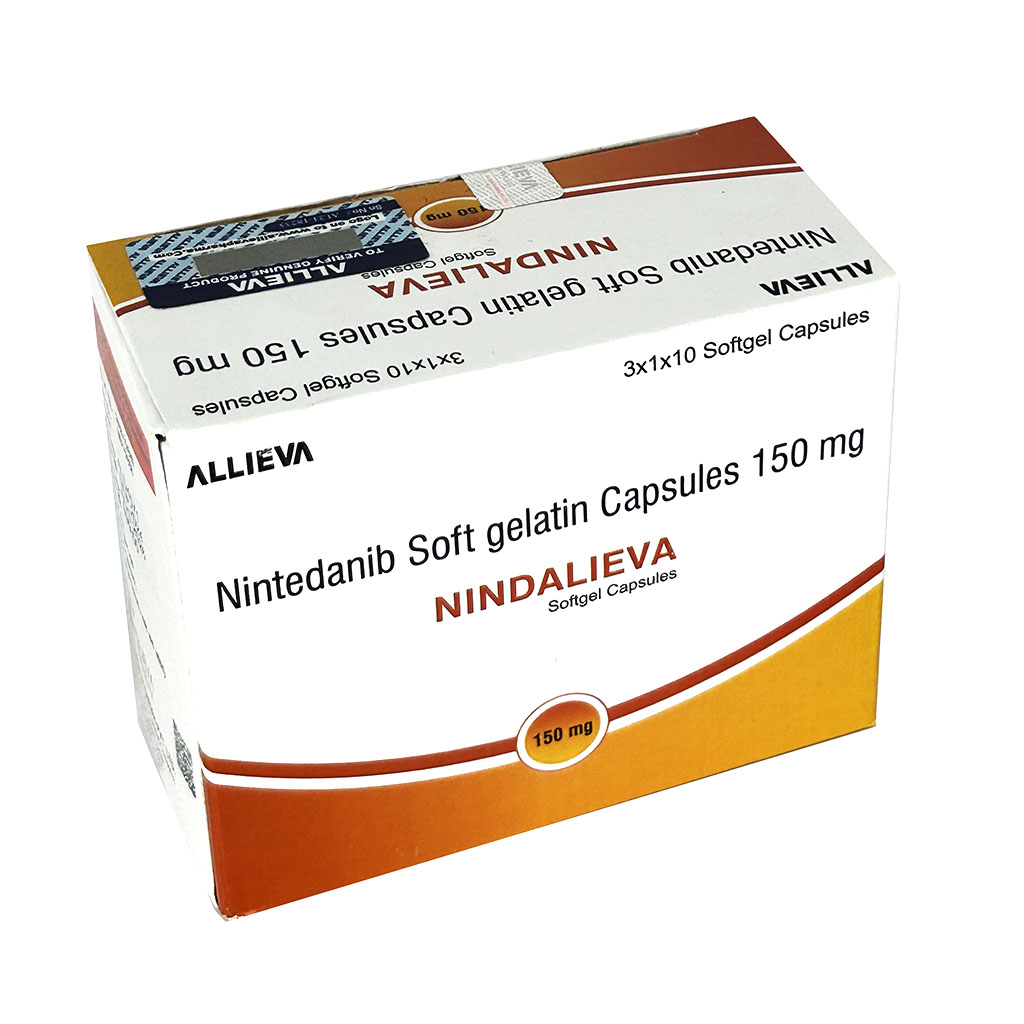
Nintedanib Softgelatin Capsules 150mg
NINDALIEVA 150 MG (Nintedanib Softgelatin Capsules 150 mg) is a prescription medicine used for the treatment of Idiopathic Pulmonary Fibrosis (IPF), Progressive Fibrosing Interstitial Lung Diseases (PF-ILDs), and certain other chronic lung conditions as prescribed by healthcare professionals. It contains Nintedanib 150 mg, a tyrosine kinase inhibitor that helps slow the progression of lung fibrosis by targeting multiple pathways involved in tissue scarring and abnormal cell growth.
Idiopathic Pulmonary Fibrosis is a serious chronic lung disease characterized by progressive scarring of lung tissue. Over time, this scarring reduces the lungs' ability to transfer oxygen into the bloodstream, making breathing increasingly difficult. NINDALIEVA 150 MG helps slow the rate of lung function decline, supporting long-term respiratory health and improving disease management.
Nintedanib works by blocking specific growth factor receptors involved in the formation of fibrotic tissue. By inhibiting these pathways, the medicine helps reduce excessive scar tissue development in the lungs and may delay disease progression in eligible patients.
In addition to pulmonary fibrosis, Nintedanib is also used in selected patients with other progressive interstitial lung diseases and may be prescribed as part of comprehensive respiratory care programs.
NINDALIEVA 150 MG is commonly prescribed for:
• Idiopathic Pulmonary Fibrosis (IPF)
• Progressive Fibrosing Interstitial Lung Diseases (PF-ILDs)
• Systemic Sclerosis-Associated Interstitial Lung Disease (SSc-ILD)
• Chronic Progressive Lung Fibrosis
• Long-Term Pulmonary Disease Management
• Specialist Respiratory Care Programs
The medicine is manufactured under strict pharmaceutical quality standards to ensure safety, effectiveness, and consistent therapeutic performance. It should only be used under the supervision of qualified healthcare professionals experienced in respiratory medicine.
Patients receiving Nintedanib therapy may require regular monitoring of liver function, lung function, overall treatment response, and routine medical assessments. These evaluations help healthcare providers optimize treatment outcomes and identify potential side effects early.
Due to its effectiveness in slowing disease progression and supporting long-term respiratory care, NINDALIEVA 150 MG has become an important treatment option in modern pulmonary medicine.
View Details
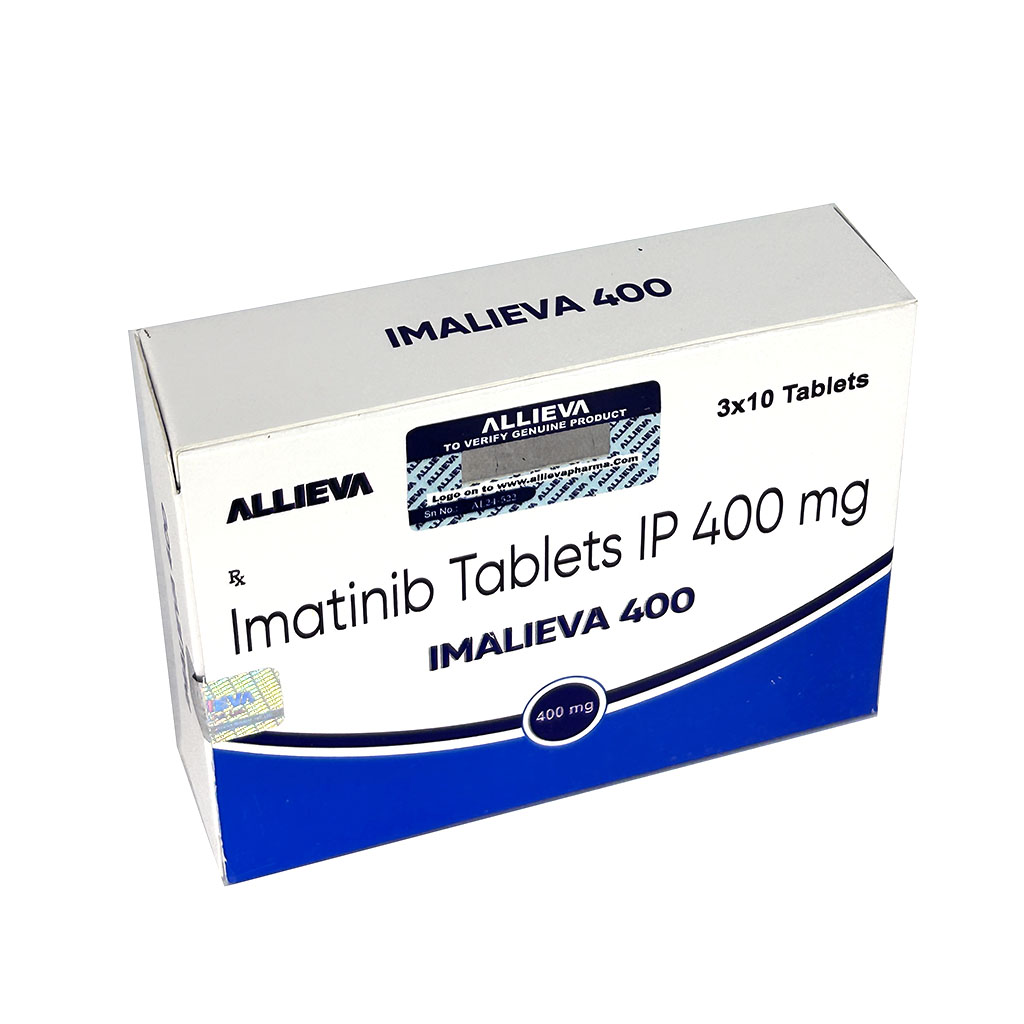
Imatinib Mesylate Tablets IP 400mg
IMALIEVA 400 MG (Imatinib Mesylate Tablets IP 400 mg) is a targeted anticancer medicine used for the treatment of certain blood cancers, gastrointestinal tumors, and other cancers driven by specific genetic abnormalities. It contains Imatinib Mesylate 400 mg, a tyrosine kinase inhibitor (TKI) that works by blocking abnormal proteins responsible for the growth and multiplication of cancer cells.
Imatinib revolutionized cancer treatment by becoming one of the first successful targeted therapies. Unlike conventional chemotherapy, which affects both healthy and cancerous cells, Imatinib specifically targets abnormal enzymes that contribute to cancer progression. This targeted approach helps slow disease progression, improve treatment outcomes, and support long-term cancer management.
IMALIEVA 400 MG is widely prescribed by oncologists and hematologists for patients diagnosed with specific cancers that contain abnormal tyrosine kinase activity. By targeting these cancer-driving proteins, the medicine helps control tumor growth and reduce the spread of disease.
This medicine is commonly used in the treatment of:
• Chronic Myeloid Leukemia (CML)
• Philadelphia Chromosome-Positive Acute Lymphoblastic Leukemia (Ph+ ALL)
• Gastrointestinal Stromal Tumors (GIST)
• Myelodysplastic/Myeloproliferative Disorders (MDS/MPD)
• Hypereosinophilic Syndrome (HES)
• Dermatofibrosarcoma Protuberans (DFSP)
• Advanced Hematological and Solid Tumor Conditions
IMALIEVA 400 MG may be prescribed as a first-line treatment or as part of long-term cancer management programs depending on the patient's diagnosis, treatment history, and response to therapy.
The medicine is manufactured under strict pharmaceutical quality standards to ensure safety, effectiveness, and consistent therapeutic performance. It should only be used under the supervision of qualified healthcare professionals experienced in oncology and hematology care.
Patients receiving Imatinib therapy may require regular blood tests, liver function monitoring, kidney assessments, and periodic medical evaluations to ensure optimal treatment outcomes and early detection of potential side effects.
Due to its proven effectiveness in targeted cancer therapy, IMALIEVA 400 MG has become one of the most important medicines in modern oncology and hematology treatment programs worldwide.
View Details
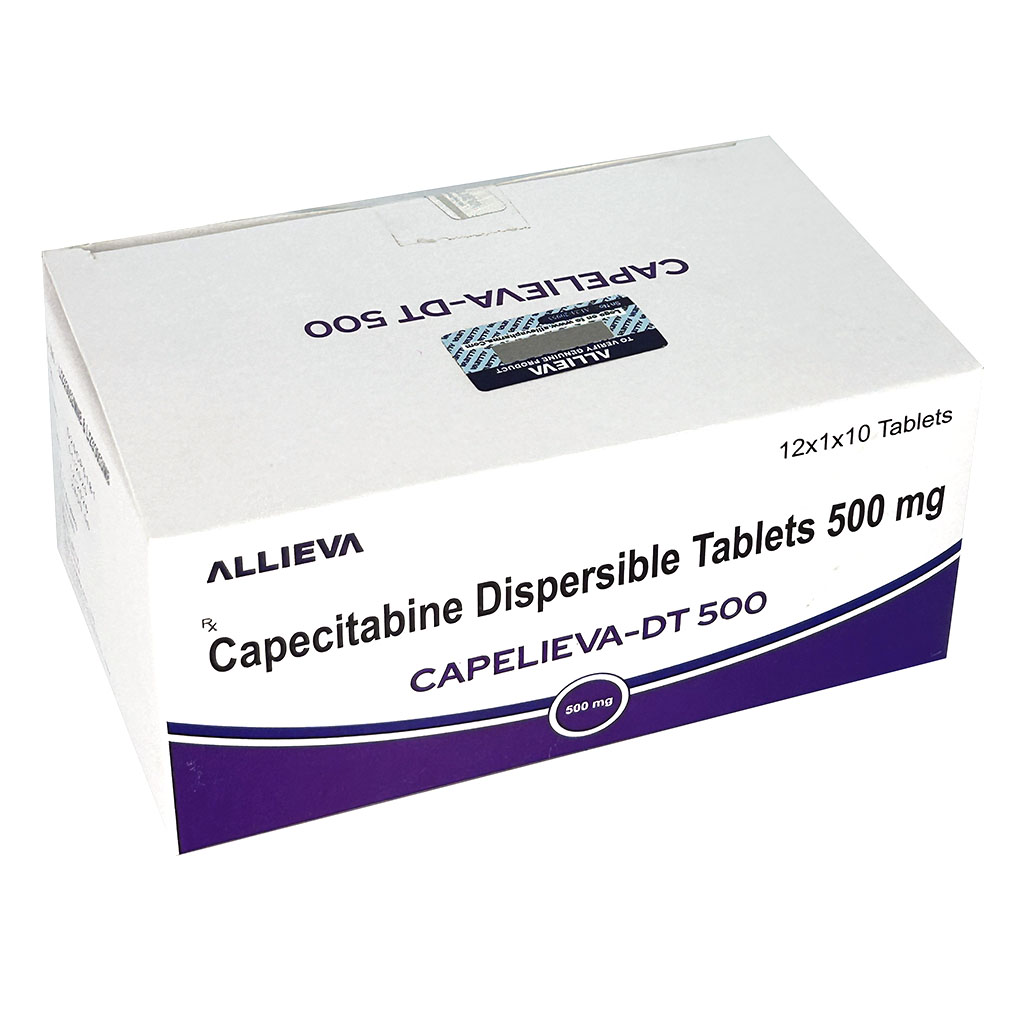
Capecitabine Dispersible Tablets 500mg
CAPELIEVA-DT 500 MG (Capecitabine Dispersible Tablets 500 mg) is an oral chemotherapy medicine used in the treatment of various cancers, including colorectal cancer, breast cancer, and gastric cancer. It contains Capecitabine 500 mg, a fluoropyrimidine antineoplastic agent that is converted into its active form, 5-Fluorouracil (5-FU), within the body. This targeted conversion allows the medicine to interfere with cancer cell growth and multiplication while supporting effective cancer management.
Cancer cells grow and divide much faster than normal cells. Capecitabine works by disrupting DNA synthesis in rapidly dividing cells, preventing tumor growth and slowing the progression of cancer. Because the active medicine is produced in higher concentrations within tumor tissues, Capecitabine has become an important component of modern cancer treatment protocols.
CAPELIEVA-DT 500 MG is formulated as a dispersible tablet, offering greater convenience for patients who may have difficulty swallowing conventional tablets. The tablet can be dispersed according to the instructions provided by healthcare professionals, ensuring easier administration and better treatment compliance.
This medicine is widely prescribed by oncologists for patients diagnosed with:
• Colorectal Cancer
• Colon Cancer
• Rectal Cancer
• Metastatic Colorectal Cancer
• Breast Cancer
• Metastatic Breast Cancer
• Gastric (Stomach) Cancer
• Gastroesophageal Cancer
• Advanced Solid Tumors
• Combination Chemotherapy Programs
Capecitabine may be used alone or alongside other anticancer medicines depending on the patient's condition, cancer stage, and treatment goals. It is frequently included in personalized cancer treatment plans designed to improve outcomes and support long-term disease control.
Manufactured under stringent pharmaceutical quality standards, CAPELIEVA-DT 500 MG provides reliable therapeutic performance, safety, and consistency. The medicine should only be used under the supervision of qualified oncologists or healthcare professionals experienced in cancer care.
Patients receiving Capecitabine therapy often require regular blood tests, liver function monitoring, kidney assessments, and medical evaluations to ensure safe and effective treatment. These routine assessments help healthcare providers monitor treatment response and identify any potential side effects early.
Due to its proven effectiveness and convenience as an oral chemotherapy option, CAPELIEVA-DT 500 MG remains an important part of modern oncology treatment programs worldwide.
View Details
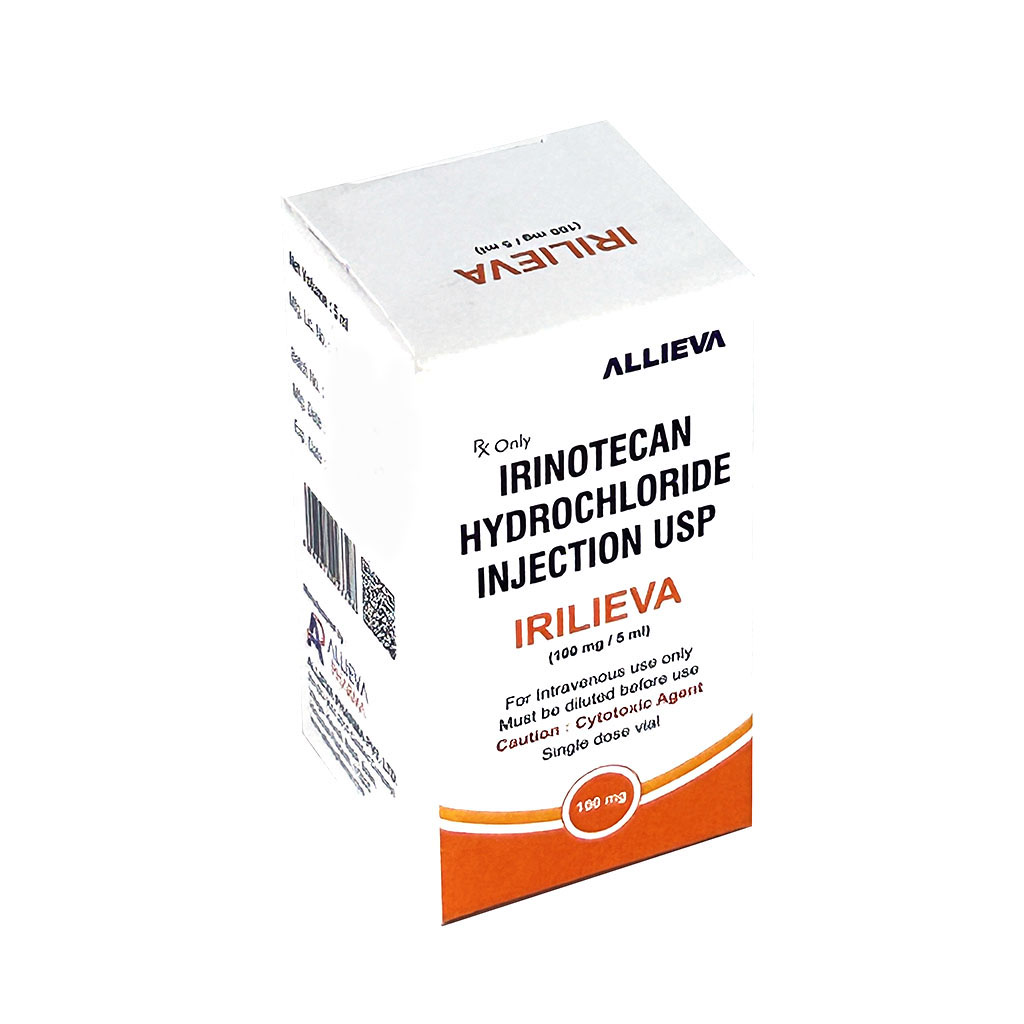
Irinotecan Hydrochloride Injection 100mg
IRILIEVA 100 MG (Irinotecan Hydrochloride Injection 100 mg) is a prescription anticancer medicine used in the treatment of various solid tumors, particularly colorectal cancer. It contains Irinotecan Hydrochloride 100 mg, a chemotherapy agent that belongs to the class of medicines known as topoisomerase I inhibitors. The medicine works by interfering with the DNA replication process of cancer cells, helping to slow or stop their growth and spread.
Cancer cells divide rapidly and continuously. Irinotecan targets these rapidly multiplying cells by blocking the activity of an enzyme called topoisomerase I, which is essential for DNA replication and cell division. As a result, cancer cells are unable to reproduce effectively and eventually die, helping to control tumor growth and disease progression.
IRILIEVA 100 MG is widely used in modern oncology treatment protocols and may be administered alone or in combination with other chemotherapy medicines. It plays a significant role in the treatment of advanced and metastatic cancers, particularly gastrointestinal malignancies.
This medicine is commonly prescribed for:
• Metastatic Colorectal Cancer
• Advanced Colon Cancer
• Rectal Cancer
• Gastrointestinal Cancers
• Combination Chemotherapy Protocols
• Advanced Solid Tumors
• Oncology Treatment Programs
• Long-Term Cancer Management
Irinotecan is often included in internationally recognized chemotherapy regimens and may be combined with other anticancer medicines to improve treatment effectiveness and patient outcomes.
Manufactured under stringent pharmaceutical quality standards, IRILIEVA 100 MG is designed to provide reliable therapeutic performance, safety, and consistency. The medicine should only be administered by qualified healthcare professionals in hospitals, oncology centers, or specialized treatment facilities.
Patients receiving Irinotecan therapy typically require regular blood tests, liver function monitoring, kidney assessments, and medical evaluations to ensure safe and effective treatment. These assessments help monitor treatment response and identify potential side effects at an early stage.
Due to its proven effectiveness in cancer treatment, IRILIEVA 100 MG remains an important component of modern chemotherapy and oncology care programs worldwide.
View Details
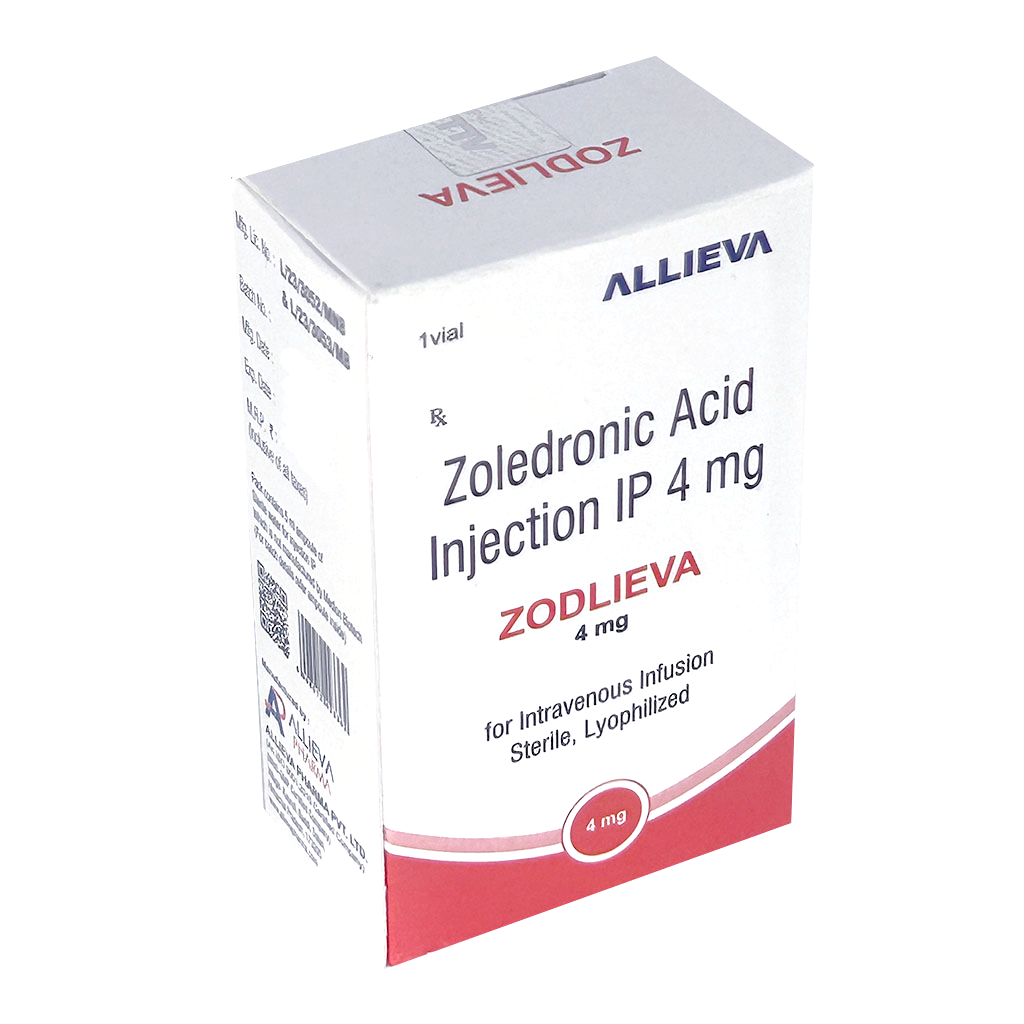
Zoledronic Acid Injection IP 4mg
ZODLIEVA 4 MG (Zoledronic Acid Injection IP 4 mg) is a prescription medicine used for the treatment and management of bone-related complications associated with cancer, osteoporosis, and other conditions that affect bone strength and calcium balance. It contains Zoledronic Acid 4 mg, a potent bisphosphonate that helps protect bones by slowing down excessive bone breakdown and reducing the risk of fractures.
Healthy bones constantly undergo a natural process of breakdown and rebuilding. In certain medical conditions such as cancer with bone metastases, multiple myeloma, osteoporosis, and hypercalcemia of malignancy, this balance becomes disrupted, causing bones to weaken and become more susceptible to fractures. ZODLIEVA 4 MG helps restore this balance by inhibiting the activity of osteoclasts, the cells responsible for bone resorption.
Zoledronic Acid is widely used in oncology and bone health management because it helps strengthen bones, reduce skeletal complications, and improve quality of life for patients with bone-related disorders. The medicine is administered intravenously under the supervision of healthcare professionals and is often included in comprehensive cancer care and osteoporosis treatment programs.
ZODLIEVA 4 MG is commonly prescribed for:
• Bone Metastases from Solid Tumors
• Multiple Myeloma
• Hypercalcemia of Malignancy
• Osteoporosis
• Cancer-Related Bone Disease
• Prevention of Skeletal-Related Events (SREs)
• Bone Loss Associated with Cancer Treatment
• Long-Term Bone Health Management
Patients with advanced cancers frequently develop bone complications such as fractures, bone pain, and elevated calcium levels. Zoledronic Acid helps reduce these risks and supports long-term skeletal health.
Manufactured under strict pharmaceutical quality standards, ZODLIEVA 4 MG is designed to provide reliable therapeutic performance, safety, and consistency. The medicine should only be administered by qualified healthcare professionals experienced in oncology, endocrinology, or bone health management.
Patients receiving Zoledronic Acid therapy may require regular monitoring of kidney function, calcium levels, vitamin D status, and overall treatment response to ensure safe and effective use.
Due to its proven effectiveness in reducing bone complications and preserving skeletal health, ZODLIEVA 4 MG remains an important treatment option in modern oncology and bone disease management.
View Details
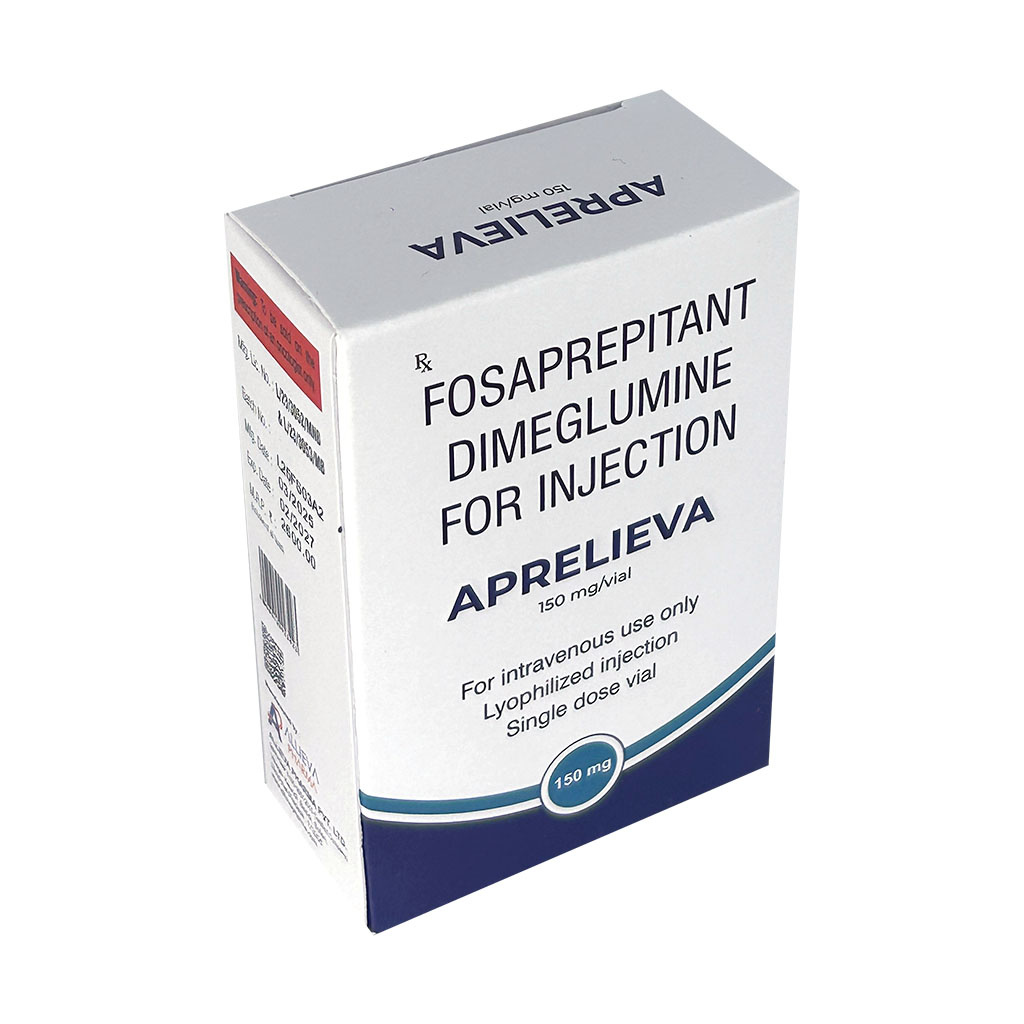
Fosaprepitant Dimeglumine for Injection 150 mg
APRELIEVA 150 MG (Fosaprepitant Dimeglumine for Injection 150 mg) is a prescription antiemetic medicine used to prevent chemotherapy-induced nausea and vomiting (CINV) and postoperative nausea and vomiting (PONV). It contains Fosaprepitant Dimeglumine 150 mg, a prodrug that is rapidly converted into aprepitant in the body. The medicine works by blocking neurokinin-1 (NK1) receptors in the brain, helping prevent nausea and vomiting associated with cancer treatment and surgical procedures.
Nausea and vomiting are among the most common and distressing side effects experienced by patients undergoing chemotherapy. These symptoms can significantly affect quality of life, nutritional intake, treatment adherence, and overall recovery. APRELIEVA 150 MG is specifically designed to help reduce the occurrence and severity of these symptoms, enabling patients to continue their treatment with greater comfort and confidence.
Unlike traditional antiemetic medicines that primarily target serotonin pathways, Fosaprepitant works on the substance P/NK1 receptor pathway, providing additional protection against delayed nausea and vomiting that may occur several hours or days after chemotherapy.
APRELIEVA 150 MG is commonly used in:
• Chemotherapy-Induced Nausea and Vomiting (CINV)
• Highly Emetogenic Chemotherapy Regimens
• Moderately Emetogenic Chemotherapy Regimens
• Postoperative Nausea and Vomiting (PONV)
• Supportive Cancer Care Programs
• Oncology Treatment Protocols
• Hospital and Specialty Care Settings
The medicine is often administered as part of a combination antiemetic regimen alongside other medicines such as serotonin receptor antagonists and corticosteroids to provide comprehensive nausea and vomiting prevention.
Manufactured under strict pharmaceutical quality standards, APRELIEVA 150 MG is designed to provide reliable therapeutic performance, safety, and consistency. The injection should only be administered by qualified healthcare professionals in hospitals, oncology centers, or specialized treatment facilities.
Patients receiving Fosaprepitant therapy may require monitoring for infusion-related reactions, allergic responses, and overall treatment tolerance. Healthcare providers carefully evaluate patient needs to ensure optimal supportive care during chemotherapy or surgery.
Due to its effectiveness in preventing chemotherapy-related nausea and vomiting, APRELIEVA 150 MG has become an important component of modern oncology supportive care programs worldwide.
View Details
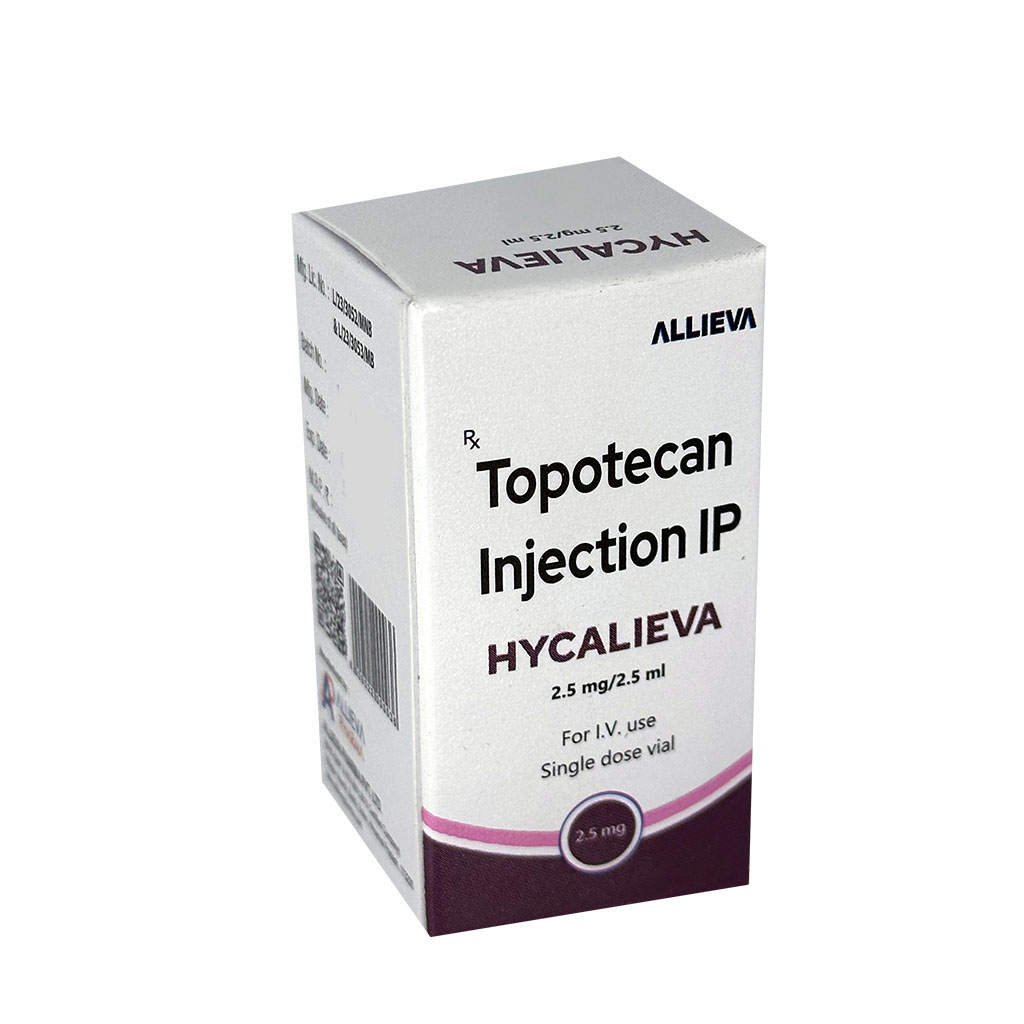
Topotecan Injection IP 2.5mg
HYCALIEVA 2.5 MG (Topotecan Injection IP 2.5 mg) is a prescription anticancer medicine used for the treatment of specific types of cancer, including ovarian cancer, small cell lung cancer (SCLC), and cervical cancer. It contains Topotecan 2.5 mg, a potent chemotherapy agent belonging to the class of medicines known as topoisomerase I inhibitors. The medicine works by interfering with the DNA replication process in cancer cells, helping to slow tumor growth and prevent the spread of cancer.
Cancer develops when abnormal cells multiply uncontrollably. These rapidly dividing cells require continuous DNA replication to survive and spread. Topotecan blocks an enzyme called topoisomerase I, which plays a critical role in DNA repair and replication. By inhibiting this enzyme, HYCALIEVA 2.5 MG causes damage to cancer cell DNA, leading to cell death and reduced tumor progression.
Topotecan is widely used in oncology treatment programs and may be prescribed when certain cancers recur, progress after previous treatment, or require additional chemotherapy support. It is commonly administered in hospitals, cancer centers, and specialized oncology facilities under the supervision of trained healthcare professionals.
HYCALIEVA 2.5 MG is commonly prescribed for:
• Ovarian Cancer
• Recurrent Ovarian Cancer
• Small Cell Lung Cancer (SCLC)
• Relapsed Small Cell Lung Cancer
• Advanced Cervical Cancer
• Metastatic Cancer Management
• Combination Chemotherapy Protocols
• Oncology Treatment Programs
The medicine may be used alone or in combination with other anticancer agents depending on the type of cancer, stage of disease, and individual treatment goals.
Manufactured under strict pharmaceutical quality standards, HYCALIEVA 2.5 MG is designed to provide reliable therapeutic performance, safety, and consistency. The injection should only be administered by qualified healthcare professionals experienced in chemotherapy and cancer care.
Patients receiving Topotecan therapy typically require routine blood tests, liver and kidney function monitoring, and regular medical assessments to evaluate treatment response and manage potential side effects.
Due to its established role in cancer treatment, HYCALIEVA 2.5 MG remains an important component of modern oncology care and chemotherapy protocols.
View Details
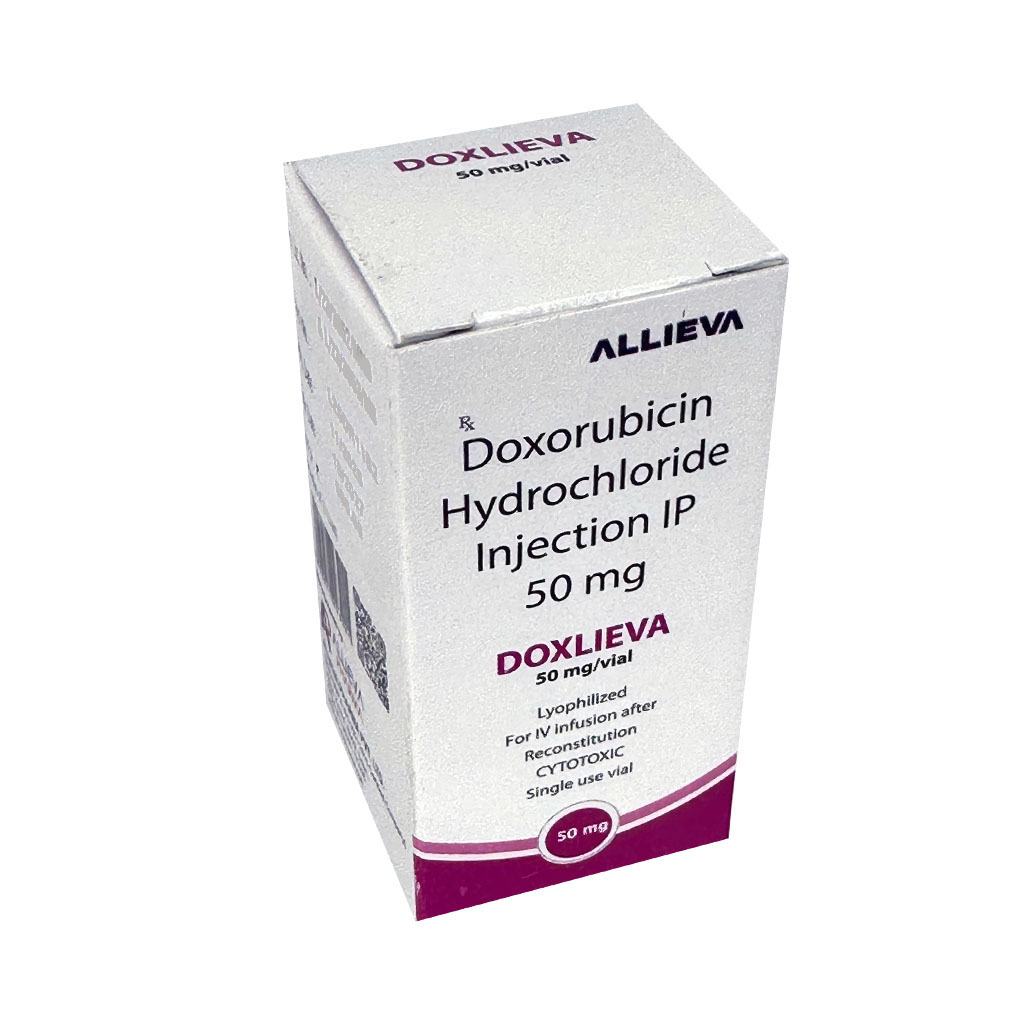
Doxorubicin Hydrochloride Injection IP 50mg
DOXLIEVA 50 MG (Doxorubicin Hydrochloride Injection IP 50 mg) is a prescription chemotherapy medicine used for the treatment of a wide range of cancers, including breast cancer, ovarian cancer, lung cancer, leukemia, lymphoma, and soft tissue sarcomas. It contains Doxorubicin Hydrochloride 50 mg, a powerful anthracycline antineoplastic agent that works by interfering with the DNA of cancer cells, preventing them from growing, dividing, and spreading.
Doxorubicin is one of the most widely used and well-established chemotherapy medicines in oncology. For decades, it has played a critical role in cancer treatment protocols due to its effectiveness against both solid tumors and blood cancers. The medicine helps destroy rapidly dividing cancer cells and is often used as part of combination chemotherapy regimens to improve treatment outcomes.
Cancer occurs when abnormal cells multiply uncontrollably and invade healthy tissues. Doxorubicin works by binding to cancer cell DNA and inhibiting enzymes necessary for DNA replication and repair. This process ultimately leads to cancer cell death and helps reduce tumor burden within the body.
DOXLIEVA 50 MG is commonly prescribed for:
• Breast Cancer
• Ovarian Cancer
• Lung Cancer
• Bladder Cancer
• Thyroid Cancer
• Stomach Cancer
• Soft Tissue Sarcoma
• Bone Sarcoma
• Hodgkin Lymphoma
• Non-Hodgkin Lymphoma
• Acute Leukemia
• Chronic Leukemia
• Multiple Oncology Treatment Protocols
The medicine may be administered alone or in combination with other anticancer medicines depending on the type of cancer, disease stage, and individual treatment goals.
DOXLIEVA 50 MG is manufactured under stringent pharmaceutical quality standards to ensure consistent safety, efficacy, and therapeutic performance. The injection is administered intravenously by qualified healthcare professionals in hospitals, oncology centers, and specialized cancer treatment facilities.
Patients receiving Doxorubicin therapy often undergo regular monitoring, including blood tests, heart function assessments, liver function tests, and routine clinical evaluations. These assessments help ensure treatment effectiveness and allow early detection of potential side effects.
Due to its broad-spectrum anticancer activity and proven clinical effectiveness, DOXLIEVA 50 MG remains an essential component of modern cancer treatment programs worldwide.
View Details
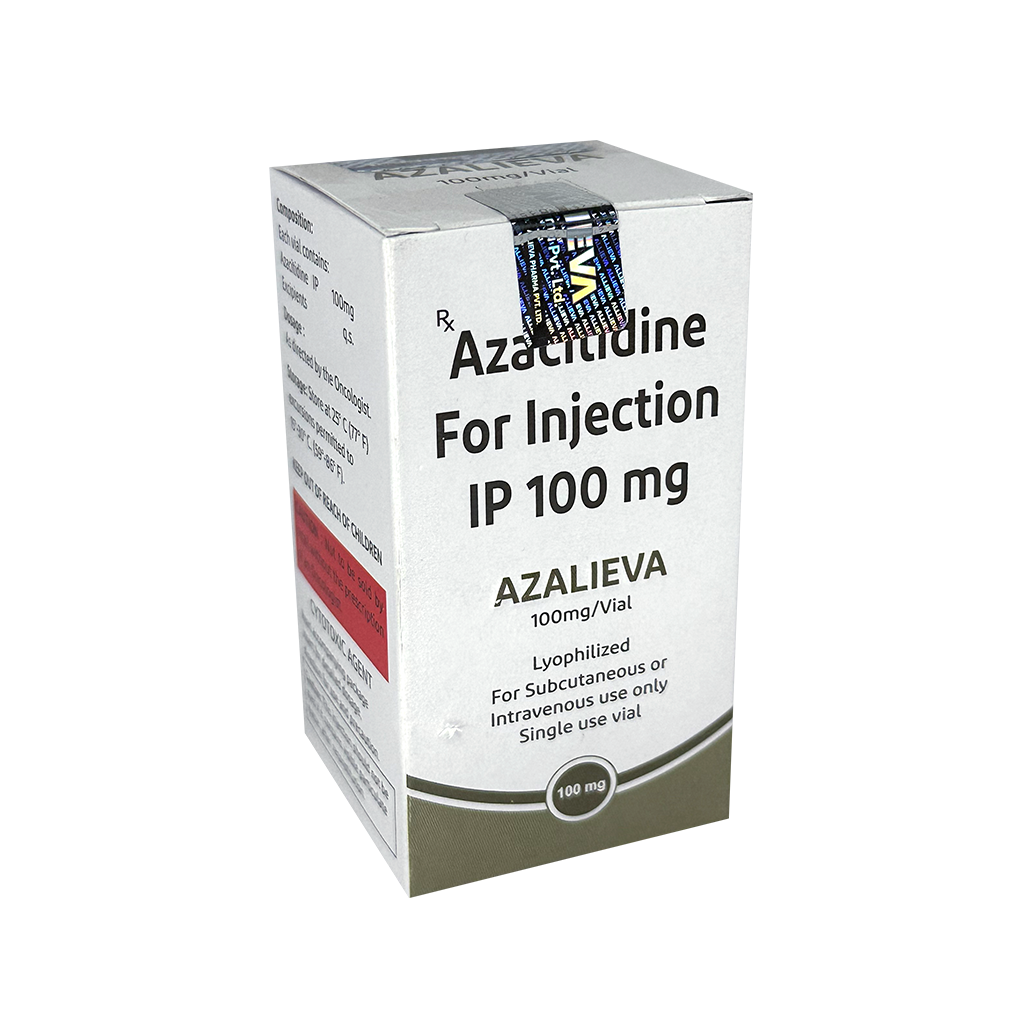
Azacitidine for Injection 100MG
AZALIEVA 100 MG (Azacitidine for Injection 100 mg) is a prescription anticancer medicine used for the treatment of certain blood and bone marrow disorders, including Myelodysplastic Syndromes (MDS), Acute Myeloid Leukemia (AML), and related hematological conditions. It contains Azacitidine 100 mg, a hypomethylating agent that helps restore normal bone marrow function and slows the growth of abnormal blood cells.
Blood and bone marrow disorders occur when the bone marrow produces abnormal or immature blood cells that fail to function properly. These abnormal cells can crowd out healthy blood cells, leading to complications such as anemia, infections, bleeding disorders, and progression to leukemia. AZALIEVA 100 MG helps improve blood cell production by targeting abnormal cellular processes involved in disease progression.
Azacitidine works by affecting DNA methylation and gene expression within abnormal cells. By modifying these cellular mechanisms, the medicine helps normalize bone marrow activity, reduce the number of abnormal cells, and support the production of healthy blood cells. This approach can help improve blood counts, reduce transfusion requirements, and enhance overall treatment outcomes.
AZALIEVA 100 MG is commonly prescribed for:
• Myelodysplastic Syndromes (MDS)
• Acute Myeloid Leukemia (AML)
• Chronic Myelomonocytic Leukemia (CMML)
• Bone Marrow Disorders
• Hematological Malignancies
• High-Risk Blood Disorders
• Oncology and Hematology Treatment Programs
• Long-Term Disease Management
The medicine may be used as a standalone treatment or as part of a comprehensive hematology care plan depending on the patient's diagnosis, disease stage, and overall health condition.
Manufactured under strict pharmaceutical quality standards, AZALIEVA 100 MG is designed to provide consistent therapeutic performance, safety, and reliability. The injection should only be administered by qualified healthcare professionals experienced in oncology and hematology treatment.
Patients receiving Azacitidine therapy often require routine blood tests, bone marrow evaluations, liver function monitoring, kidney assessments, and regular medical follow-ups to monitor treatment effectiveness and manage potential side effects.
Due to its established role in treating serious blood disorders and improving bone marrow function, AZALIEVA 100 MG remains an important medicine in modern hematology and oncology care.
View Details
