Common Causes of Cancer and How to Reduce Your Risk | Allieva Pharma
Learn about common cancer risk factors including tobacco, alcohol, obesity, infections, UV radiation and lifestyle factors, plus practical ways to reduce your cancer risk.

Learn about common cancer risk factors including tobacco, alcohol, obesity, infections, UV radiation and lifestyle factors, plus practical ways to reduce your cancer risk.
Written by Chandan Kumar | Published on Sept. 30, 2026
Cancer is one of the most widely discussed health conditions, but many people still have questions about what causes cancer, which factors increase cancer risk, and what can actually be done to reduce that risk.
Cancer does not usually have one single cause. It develops when cells acquire genetic changes that allow them to grow and divide abnormally. These changes can be influenced by age, genetics, lifestyle, infections, environmental exposures, and other factors. Some risk factors can be changed, while others—such as age and inherited genetic changes—cannot.
The good news is that prevention can make a meaningful difference. WHO estimates that around 38% of cancers can currently be prevented through avoiding known risk factors and using evidence-based prevention strategies.
In this article, we will look at the common causes and risk factors of cancer and practical steps that may help reduce your risk.
Tobacco remains one of the most important preventable cancer risk factors.
Smoking and other forms of tobacco exposure are associated with several cancers, including lung, mouth, throat, esophageal, pancreatic, bladder and kidney cancers. Tobacco use can also expose the body to many cancer-causing chemicals.
Quitting tobacco can reduce cancer risk, even after years of use.
Alcohol is another established cancer risk factor. Research has linked alcohol consumption with cancers of the mouth, throat, larynx, esophagus, liver, breast, colon and rectum.
The risk generally increases as alcohol consumption increases.
If you drink alcohol, reducing the amount you consume can lower your cancer risk. Avoiding alcohol altogether eliminates alcohol-related exposure.
Being overweight or having obesity is associated with an increased risk of several types of cancer. Body weight can influence hormones, inflammation and other biological processes involved in cancer development.
Maintaining a healthy weight through balanced nutrition and regular physical activity can be part of a long-term cancer prevention approach.
The goal should not be rapid weight loss. Sustainable changes in eating habits and physical activity are generally more practical for long-term health.
Diet alone does not determine whether someone develops cancer, but eating patterns can influence cancer risk.
A healthy eating pattern generally includes a variety of:
It is also useful to limit highly processed foods and excessive consumption of foods high in calories, salt or unhealthy fats.
WHO identifies an unhealthy diet, particularly low fruit and vegetable intake, among important cancer risk factors.
A sedentary lifestyle is associated with several health problems, including an increased risk of some cancers.
According to the CDC, regular physical activity is associated with a lower risk of at least eight types of cancer, including breast, colon, endometrial, kidney and lung cancers.
You do not necessarily need complicated workouts. Depending on your health and fitness level, you can:
If you have a medical condition or have been diagnosed with cancer, discuss an appropriate exercise plan with your healthcare professional.
Some infections can increase the risk of cancer when they persist or cause long-term changes in the body.
Important examples include:
WHO reports that cancer-causing infections accounted for approximately 10% of cancers diagnosed globally in 2022, with a particularly significant impact in low- and middle-income countries.
Depending on individual circumstances:
Vaccination against HPV and hepatitis B can help prevent cancers associated with these infections when vaccination is recommended for the individual.
Excessive exposure to ultraviolet (UV) radiation can damage skin cells and increase the risk of skin cancer.
UV exposure comes primarily from sunlight, but artificial tanning devices can also expose the skin to UV radiation.
Sun protection is important even when the weather does not feel particularly hot.
Air pollution is another environmental factor associated with cancer, particularly lung cancer.
Both outdoor air pollution and certain indoor pollutants can contribute to harmful exposure. WHO also identifies air pollution as an important risk factor for lung cancer.
Reducing exposure where possible can be helpful. Depending on the environment, this may include improving indoor ventilation, reducing exposure to smoke and following local air-quality guidance.
Some people may encounter cancer-causing substances because of their occupation.
Examples can include exposure to certain chemicals, asbestos, industrial substances, radiation and other occupational hazards.
The risk depends on the substance, level and duration of exposure, and workplace conditions. WHO identifies occupational exposure to carcinogens as an important area of cancer prevention.
Employers and workers should follow appropriate occupational safety procedures, including:
Ionizing radiation can damage DNA and increase the risk of certain cancers. Sources may include some medical procedures, occupational exposure and environmental radiation.
Medical imaging can be an important part of diagnosing and managing disease, so patients should not avoid necessary tests because of fear of radiation. Instead, radiation-based procedures should be used appropriately and when medically justified.
Cancer can sometimes run in families.
Having a close relative with cancer does not mean that you will definitely develop cancer. However, certain patterns of cancer in a family may indicate an inherited genetic change that increases risk.
If several close relatives have had the same or related cancers, particularly at unusually young ages, discussing your family history with a doctor may be appropriate.
In some situations, a healthcare professional may recommend genetic counselling or testing.
Age is another important cancer risk factor that cannot be changed.
Cancer risk generally increases with age, partly because genetic changes and exposure to risk factors accumulate over time and the body's ability to repair cellular damage can change with age.
This is one reason why age-appropriate health check-ups and recommended cancer screening become increasingly important.
No prevention strategy can guarantee that a person will never develop cancer.
Some risk factors cannot be controlled, including age and certain inherited genetic changes. Cancer can also occur in people who have no obvious risk factors.
However, reducing avoidable exposures can lower the risk of many cancers.
A 2026 WHO/IARC analysis estimated that 37% of new cancer cases in 2022—about 7.1 million cases—were linked to preventable causes across 185 countries and 36 cancer types. Tobacco was the leading preventable cause in that analysis, followed by cancer-causing infections and alcohol.
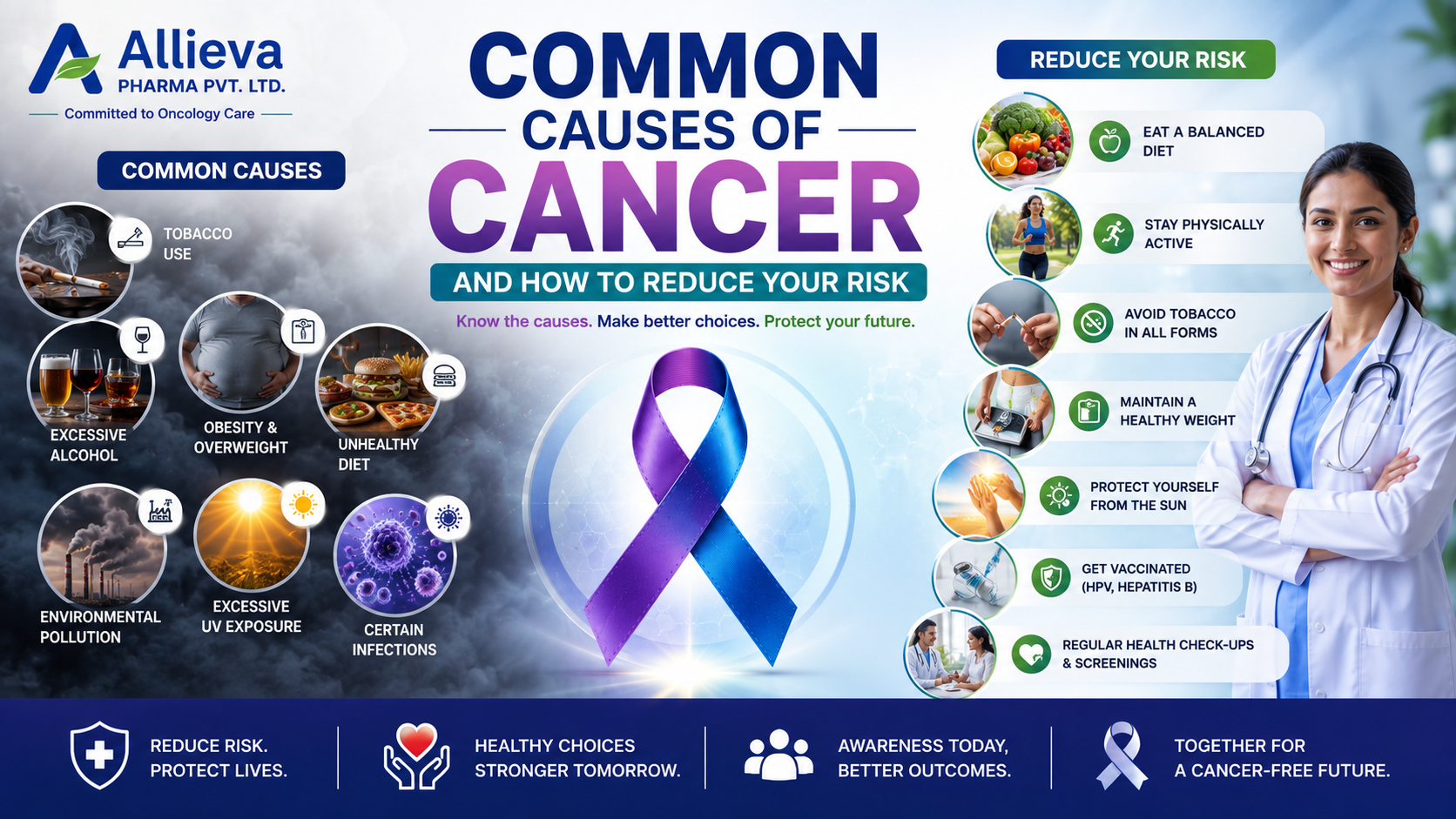
Here are some realistic steps that can support long-term cancer prevention:
Avoid smoking and smokeless tobacco products.
Less alcohol generally means lower alcohol-related cancer risk.
Focus on sustainable eating and physical activity habits.
Regular movement can help reduce the risk of several cancers.
Include plenty of vegetables, fruits, whole grains and other nutrient-rich foods.
Use shade, clothing and sunscreen when appropriate.
HPV and hepatitis B vaccination can help prevent certain cancer-related infections when recommended.
Share relevant family cancer history with your healthcare professional.
Use appropriate protection when working around chemicals, dust, radiation or other occupational hazards.
If you notice an unusual or persistent symptom, speak with a healthcare professional rather than trying to diagnose yourself.
Prevention and early detection are two different but connected parts of cancer control.
Prevention focuses on reducing the chance of cancer developing. Early detection focuses on finding cancer at an earlier stage, when treatment may be more effective for many cancer types.
Depending on age, sex, family history and individual risk, a healthcare professional may recommend specific screening tests.
It is important to follow screening recommendations relevant to your personal circumstances rather than relying only on symptoms.
Cancer prevention is not about living in fear or trying to control every possible risk. It is about understanding which factors can be changed and making practical decisions over time.
Simple habits such as avoiding tobacco, staying active, maintaining a healthy weight, protecting your skin and following recommended vaccination and screening guidance can contribute to better long-term health.
At the same time, people should remember that developing cancer is not necessarily a result of something they did or failed to do. Cancer has many causes, and some cannot be prevented.
Allieva Pharma is an Indian pharmaceutical company with a portfolio that includes medicines used in oncology and supportive care.
The company's oncology portfolio includes products such as PACLIEVA and other anticancer medicines. The appropriate medicine, dose and treatment combination depend on the patient's diagnosis, cancer type, treatment plan and the treating oncologist's clinical judgement.
Cancer medicines should only be used under the supervision of a qualified healthcare professional.
Important cancer risk factors include tobacco use, alcohol consumption, excess body weight, physical inactivity, certain infections, UV radiation, air pollution, some occupational exposures, radiation, age and family history.
A healthy lifestyle can reduce the risk of many cancers, but it cannot guarantee complete prevention. Some cancer risk factors cannot be controlled.
Tobacco use is strongly associated with many types of cancer and is one of the most important preventable cancer risk factors.
Yes. Alcohol consumption is associated with an increased risk of several cancers, and reducing or avoiding alcohol can lower alcohol-related cancer risk.
Regular physical activity is associated with a lower risk of several cancers, including breast, colon, endometrial, kidney and lung cancers.
No. Family history can increase risk for some cancers, but it does not mean that a person will definitely develop cancer. Certain family patterns may warrant discussion with a healthcare professional.
No. Not all cancers are preventable. However, evidence shows that a substantial proportion of cancer cases can be prevented by reducing modifiable risk factors and following evidence-based prevention strategies.
Understanding the common causes and risk factors of cancer can help people make informed choices about their health. Tobacco, alcohol, excess body weight, physical inactivity, certain infections, UV radiation, air pollution and some occupational exposures are among the factors that can increase cancer risk.
Not every cancer can be prevented, but prevention remains an important part of reducing the global cancer burden. Avoiding tobacco, limiting alcohol, staying physically active, maintaining a healthy weight, eating a balanced diet, protecting yourself from excessive UV exposure and following appropriate vaccination and screening guidance are practical steps worth considering.
For anyone experiencing persistent or concerning symptoms, or anyone with a strong family history of cancer, speaking with a qualified healthcare professional is the appropriate next step.
Allieva Pharma Pvt. Ltd. remains committed to supporting awareness around oncology and responsible access to pharmaceutical healthcare.
Explore more pharma blogs and news from Allieva Pharma.